

 토론
토론 자동삭제
자동삭제

 목록
목록

By: Leo PolandA number of experimental drugs to help the most vulnerable sufferers of the latest epidemic Coronavirus aka COVID-19 has already begun clinical trials. ICAD in its entirety, believe we have an immense responsibility to our beloved kingdom by protecting its cherished citizens. The mission began by taking the initiative and creating an elite emergency response team known as IERT in collaboration with medical experts at AWAD Healthcare “a member of MBL” to help combat the widespread to the absolute best of our abilities. Moreover, by undertaking a study of the global clinical drug trials; IERT is able to take better measures in controlling the outbreak kingdom-wide by planning and stocking the basic quantities needed.
Of the many clinical trials being conducted, IERT has narrowed it down to eight promising trials:
● Actemra - RoActemra
● Plaquenil - Hydrocyvholoquine
● Kaletra
● Remdesivir
● Favipiravir - Avigan
● Interferon Beta - SNG001
● Panafix - Novoteck
● Antibody Therapy
Actemra ? RoActemra
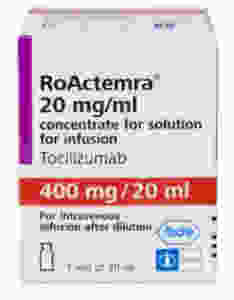
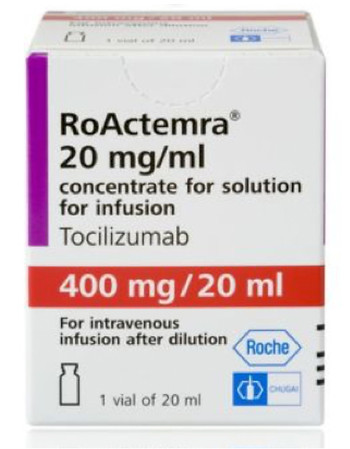
Actemra a drug used to treat two inflammatory diseases - cytokine release syndrome and rheumatoid arthritis. The drug is known as RoActemra outside the US.
Roche is launching a clinical trial of a potential new Covid-19 drug, adding to rapidly growing investments in combating coronavirus after the World Health Organization (WHO) unveiled plans for its own trial to study a potential treatment.
Actemra/RoActemra is a first-in-class anti-IL-6 receptor (aIL-6R) therapy. IL-6 is believed to play a key role in activating the inflammatory pathway that contributes to the signs and symptoms of RA and other inflammatory autoimmune conditions. Actemra/RoActemra binds to IL-6 receptors, blocking the pro-inflammatory effect of IL-6 cytokines.
Plaquenil ? Hydrocholorquin
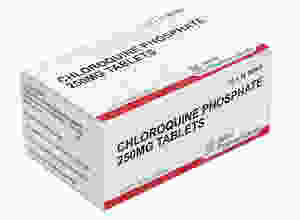
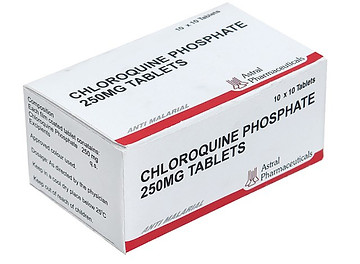
Hydroxychloroquine (Plaquenil), and the closely related chloroquine, were approved in the 1950s mainly as anti-malaria treatments. Since then, the drugs have been used for a wide spectrum of diseases, including systemic lupus erythematous “lupus”, rheumatoid arthritis, Sjogren’s Syndrome, and complications of Lyme disease.
Doctors said 25% of patients who received the drug tested positive for the virus after six days, compared with 90% of those who did not receive it.
Chloroquine and a related drug, hydroxychloroquine, are among the four treatments tested in an international clinical trial, announced on Wednesday by the World Health Organization (WHO), and the UK has added chloroquine to its list of medicines under export controls.
Kaletra
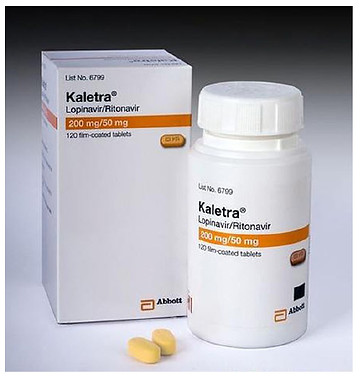
Kaletra is a combination of two antiviral medicines, lopinavir and ritonavir, normally used to treat HIV, which lab studies suggested held promise as a potential Covid-19 treatment.
Lopinavir/ritonavir, sold under the brand name Kaletra among others, is a fixed-dose combination medication for the treatment and prevention of HIV/AIDS. It combines lopinavir with a low dose of ritonavir. It is generally recommended for use with other antiretrovirals. The WHO has included Kaletra in a major multi-country trial launched this week.
Remdesivir
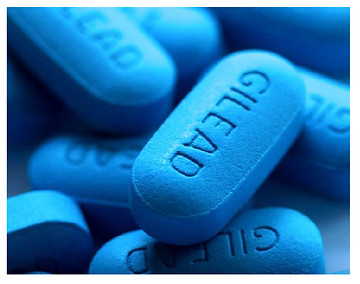
Remdesivir was used in the treatment of Ebola in 2014. It is an antiviral, intravenous medicine made by Gilead Sciences, Cali. It's currently undergoing multiple clinical trials around the world against the coronavirus. The enthusiasm comes from studies that show that it works against Sars and Mers, two other coronaviruses that are more lethal but less transmissible. The drug works by shutting off the virus’s ability to replicate itself inside cells.
This means it is most likely to be effective when a person has just caught the bug and the virus is still reproducing in the upper respiratory tract.
Favipiravir - AVIGAN - Fujifilm
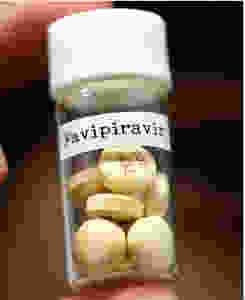
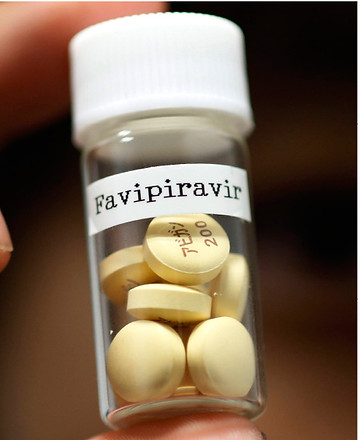
AVIGAN - the Japanese flu drug, made by a subsidiary of Fujifilm - Toyama Chemical, Japan and is effective against many RNA Viruses. It is a pyrazine carboxamide derivative.
A Chinese trial in 340 people showed that the virus tended to be cleared in four days in those who received the drug, versus 11 days in those who went without. Chest scans supported the findings, revealing less damage in those who took the drug. But the antiviral, also known as Avigan, may need to be given before virus levels peak in the body.
A Japanese health official told the Mainichi Shimbun newspaper that it did not appear to work as well in severely ill people, in whom the virus had had more time to replicate.
Interferon Beta - SNG 001

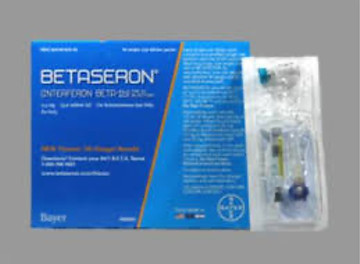
The UK biotech firm Synairgen has been given fasttrack approval to trial SNG001, an inhaled formulation of interferon-beta-1a -lung-disease drug in Covid-19 sufferers.
The compound, interferon beta, forms part of the lung’s natural defense system against viruses and was originally developed for patients with the chronic obstructive pulmonary disorder, or COPD. The hope is that administering interferon-beta boosts the body’s ability to fight the virus, especially in those who have weakened immune systems.
It was identified in February by the WHO as the only therapy in phase-2 trials that can be inhaled, meaning patients can administer it themselves through a small battery-operated nebulizer.
Panafix - Novotech

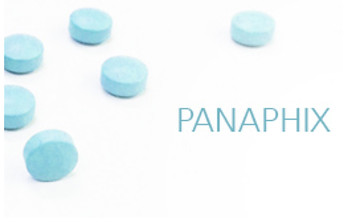
Seoul, South Korea - Asia-Pacific’s largest specialist biotech CRO Novotech has been sel ected for the Komipharm International clinical trials of Panaphix as a potential treatment for coronavirus ? Covid-19 on 26th. Feb 2020 Panaphix, manufactured by Komipharm is a cytokine storm inhibitor that restrains the overproduction of immune cells and their activating compounds, cytokines. It is thought than overproduction of immune cells and their signaling molecules causes severe inflammatory diseases such as pneumonia in some individuals.
Antibody Therapy

Doctors in China have treated some critically ill patients with the blood plasma of recovered patients, an approach that dates back to the Spanish flu pandemic of 1918. The logic is that the blood should contain antibodies to help fight off infection.
Downsides include the difficulties of scaling up the method for widespread use, the risk of transmitting other diseases and that the relevant antibodies are only present in small amounts, so the treatment, if effective at all, is far from optimal. A number of teams, including the US company Regeneron, are working on the hi-tech equivalent of serum therapy. Regeneron says it is a few weeks away from identifying two powerful antibodies that protect against Covid-19, which it will then manufacture synthetically and turn into a therapeutic cocktail, with a view to starting human trials in the summer.
If successful, an antibody therapy could be used as both a treatment and a prophylactic to protect health workers and other high-risk groups.
ICAD is determined to be a part of the solution in the kingdom. As we continue gaining any new verified information, we will update the aforementioned information accordingly.


