종목명 / 종목코드

종목검색

 목록
목록

28 August 2020 | News
The findings give hope for an effective treatment to fight this aggressive cancer
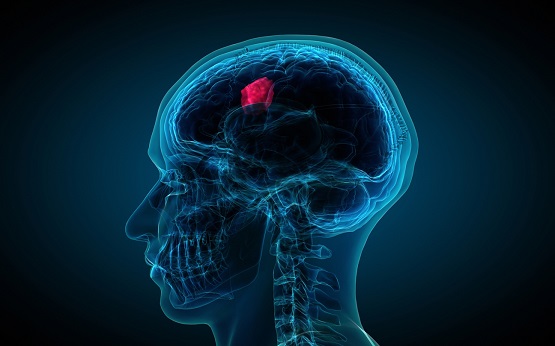
Image Credit: monash.edu
A recent study by Monash University, Australia has uncovered a potential new drug that may lead to new treatments for common brain cancers.
The study, published in Purinergic Signalling and led by Neurologist and Research Fellow Dr Mastura Montif from Monash University’s Department of Neuroscience, demonstrated that a protein (P2X7R) known to enhance tumour growth can be inhibited by using a specific compound drug, currently known only as AZ10606120.
Most importantly, this drug was more effective than the current conventional chemotherapy temozolomide.
Using both human glioblastoma cells and tumour samples from patients at The Alfred and Royal Melbourne Hospital, the findings give hope for an effective treatment to fight this aggressive cancer.
Gliomas are the most common cancers of the brain, accounting for 80 per cent of all brain tumours. Among these, glioblastoma is the most aggressive form, killing an estimated 225,000 people worldwide per year with patients only surviving for a median of 14-15 months after diagnosis.
발견은 이 공격적인 암과 싸우기 위한 효과적인 치료법에 대한 희망을 준다.
이미지 크레딧: monash.edu
이미지 크레딧: monash.edu
호주 모나시 대학의 최근 연구는 일반적인 뇌암에 대한 새로운 치료로 이어질 수 있는 잠재적인 신약을 발견했다.
모나시 대학 신경과학부의 신경학자 및 연구 동료인 마스투라 몬티프 박사가 주도하고 푸리네르그 신호 전달에 발표된 이 연구는 종양 성장을 강화한다고 알려진 단백질(P2X7R)이 현재 AZ10606120으로만 알려진 특정 복합 약물을 사용함으로써 억제될 수 있다는 것을 보여주었다.
가장 중요한 것은 이 약이 기존의 화학요법 테모졸로마이드보다 더 효과적이었다.
인간의 교모세포종 세포와 알프레드와 로얄 멜버른 병원의 환자들로부터 받은 종양 샘플을 모두 사용함으로써, 이 발견은 이 공격적인 암과 싸우기 위한 효과적인 치료에 대한 희망을 준다.
글리오마는 뇌에서 가장 흔한 암으로 전체 뇌종양의 80%를 차지한다. 이 중 교모세포종이 가장 공격적인 형태여서 진단 후 14~15개월의 중간값에서만 생존하는 환자로 연간 약 22만5000명이 사망하는 것으로 추산된다
?
Pharma News: A recent study by Monash University has uncovered a potential new drug that may lead to new treatments for common brain cancers.
The study, published in Purinergic Signalling and led by Neurologist and Research Fellow Dr Mastura Montif from Monash University’s Department of Neuroscience, demonstrated that a protein (P2X7R) known to enhance tumour growth can be inhibited by using a specific compound drug, currently known only as AZ10606120.
This drug was more effective than the current conventional chemotherapy, MSD’s Temodal (temozolomide) and its generic forms.
Using both human glioblastoma cells and tumour samples from patients at The Alfred and Royal Melbourne Hospital, the findings give hope for an effective treatment to fight this aggressive cancer.
Gliomas are the most common cancers of the brain, accounting for 80% of all brain tumours. Among these, glioblastoma is the most aggressive form, killing an estimated 225,000 people worldwide per year with patients only surviving for a median of 14-15 months after diagnosis.
Current treatment options are limited to surgical removal, radiotherapy and chemotherapy, and only prolong survival by several months. Despite advancements in treatment, the prognosis for glioblastoma patients remains bleak.
Unlike many other cancers, there has been no significant improvements in therapies for glioblastoma in the last 12 years.There is a desperate need for the development of more effective therapies.
“This is very exciting as it brings promise to the potential of this compound AZ10606120 in the treatment of glioblastoma and sheds further light on the role of the protein P2X7R in these tumours,” Dr Montif said
“Our future endeavours will involve testing in animal models, which will hopefully lead to a human clinical trial.
“Seeing patients diagnosed with this lethal and life changing disease, and most of them being young and their whole life ahead of them, is the reason why I continue to pursue research on glioblastoma.
“As a clinician and a researcher I feel like we need to do more, and we need to act urgently to prevent more lives being affected.”
파마 뉴스: 모나시 대학의 최근 연구는 일반적인 뇌암에 대한 새로운 치료로 이어질 수 있는 잠재적인 신약을 발견했다.
모나시 대학 신경과학부의 신경학자 및 연구 동료인 마스투라 몬티프 박사가 주도하고 푸리네르그 신호 전달에 발표된 이 연구는 종양 성장을 강화한다고 알려진 단백질(P2X7R)이 현재 AZ10606120으로만 알려진 특정 복합 약물을 사용함으로써 억제될 수 있다는 것을 보여주었다.
이 약은 현재의 재래식 화학요법, MSD의 테모달(테모졸로마이드)과 그 일반적인 형태보다 더 효과적이었다.
인간의 교모세포종 세포와 알프레드와 로얄 멜버른 병원의 환자들로부터 받은 종양 샘플을 모두 사용함으로써, 이 발견은 이 공격적인 암과 싸우기 위한 효과적인 치료에 대한 희망을 준다.
글리오마는 뇌에서 가장 흔한 암으로 전체 뇌종양의 80%를 차지한다. 이 중 교모세포종이 가장 공격적인 형태여서 진단 후 14~15개월의 중간값에서만 생존하는 환자로 연간 약 22만5000명이 사망하는 것으로 추산된다.
현재의 치료 방법은 외과적 제거, 방사선치료, 화학요법에 한정되어 있으며, 생존 기간을 수개월 연장할 뿐이다. 교모세포종 환자의 예후는 치료의 진보에도 불구하고 여전히 암울하다.
다른 많은 암들과 달리 지난 12년 동안 교모세포종의 치료법이 크게 개선되지 않았다.보다 효과적인 치료법의 개발이 절실히 필요하다.
몬티프 박사는 "교모세포종 치료에서 AZ10606120의 잠재력을 발휘하고 이러한 종양에서 단백질 P2X7R의 역할을 더욱 명확하게 하기 때문에 매우 흥분된다"고 말했다.
"우리의 향후 노력에는 동물 모델에 대한 실험이 포함될 것이며, 이는 인간의 임상실험으로 이어질 것으로 기대하고 있다.
"이 치명적인 병과 생명을 바꾸는 병으로 진단받은 환자들을 보고, 그들 중 대부분은 어리고 그들의 전 생애 앞에 있는 것을 보는 것이 내가 교모세포종에 대한 연구를 계속하는 이유야.
임상의와 연구자로서 더 많은 일을 해야 할 것 같고, 더 많은 생명들이 영향을 받지 않도록 시급히 행동해야 할 것 같다"고 말했다.
 이태리 8,28
20/08/28 17:23
이태리 8,28
20/08/28 17:23
 [팬데믹 현황] 누적 확진 2445만명… 트럼프 "연내 백신 생산"(28일 오후 1시 28
20/08/28 16:35
[팬데믹 현황] 누적 확진 2445만명… 트럼프 "연내 백신 생산"(28일 오후 1시 28
20/08/28 16:35
 토론
토론 자동삭제
자동삭제